
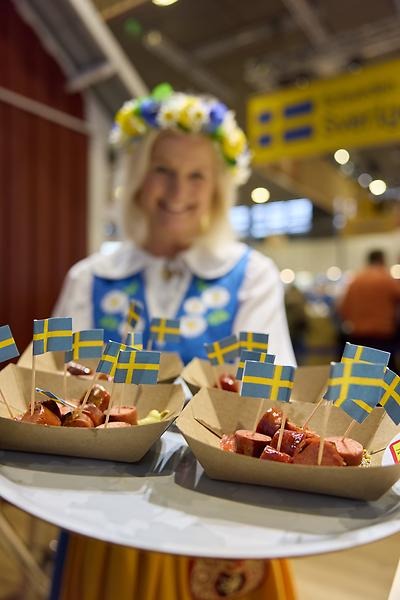
The International Green Week Berlin (https://www.gruenewoche.de/en) celebrates its 100th anniversary in 2026, and Sweden is participating with one of its most impressive pavilions. Under the motto “Tradition Meets Innovation,” the kingdom presents a unique culinary journey through its history—from the 16th-century fishing village to today’s modern haute cuisine.
Sweden at Green Week 2026 Exhibition at Messegelände
Organized by the Swedish Board of Agriculture (Jordbruksverket), the Swedish pavilion brings together around 20 selected companies and regions, demonstrating how a vibrant food culture emerges from natural conditions and creative ingenuity.
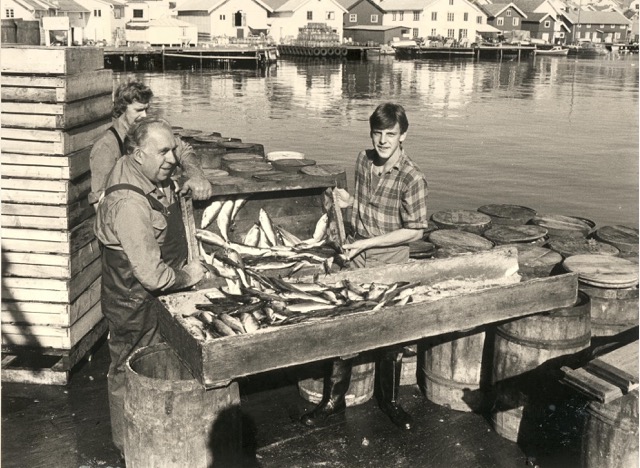
From Fishing Village to International Delicacy: The Herring Tradition of Klädesholmen
The journey begins on Sweden’s picturesque west coast. “As early as the 16th century, Klädesholmen was a well-known fishing village, where herring has always played a special role,” explains a representative from Klädesholmen Seafood. What began as small herring workshops in every kitchen has evolved into a protected brand that now offers a wide range of herring products from the Norwegian Sea and the North Sea. The stand exemplifies the Swedish philosophy of preserving traditional knowledge while making it viable for the future.
Craftsmanship with History: Crispbread, Cheese, and Beer
The heart of Swedish culinary culture lies in its craftsmanship. Two exhibitors represent the crispy soul of the country:
- Skedvi Bröd: In the deep forests of Dalarna, crispbread has been baked in wood-fired ovens using traditional craft techniques since the late 1950s. After a near closure, dedicated enthusiasts saved this art. Since 2024, the round wood-oven crispbread has enjoyed a Protected Geographical Indication (PGI). The company is now a culinary destination with a restaurant and farm shop.
- Goda AB / Mörsjö deli: Drawing from the tradition of soft ‘Tunnbröd’ (flatbread), this company developed a revolutionary novelty: crispy flatbread chips, fried in rapeseed oil and creatively seasoned, which have conquered the Swedish market.
Cheese-making is also held in high regard in Sweden. Falbygdens Osteria is a culinary success story that began in 1878 and is now in its fifth generation. The inspiration came unusually: “When Grandpa Folke watched his daughter practice using a syringe during her nursing training, he had an idea: he would use this technique to refine his cheese,” according to the company’s history. The whisky-infused cheddar was the beginning. Today, the destination attracts over 250,000 visitors annually and operates its own dairy with the acquired Påverås farmhouse cheese dairy.
The Swedish craft beer scene is diverse and steeped in tradition. Seven breweries bring their unique philosophies to Berlin:
- Nääs Gårdsbryggeri: Brewing tradition dating back to the 18th century. The historic 19th-century brewhouse is preserved, and the current generation has developed the estate into a center for regional food production.
- Smögenbryggar’n (Smögen Ale AB): A maritime brewery inspired by the treasures of the sea—a theme that runs throughout the Swedish pavilion.
- Bustad Brewing Co.: A family-run business from Lidköping producing unfiltered, unpasteurized beer without fining agents.
- Fjällbryggarna: A craft brewery from northern Sweden whose creations are inspired by the breathtaking mountain landscape.
- Halmstad Brygghus: Focuses on regionality and is powered by green electricity from the Nissan River.
- Kvarnagårdens Bryggeri: From Småland, with a wide selection of beers and drinks.
- Värmdö Bryggeri: A modern brewery in the Stockholm Archipelago.
Innovation from Forest and Sea: The Future of Swedish Flavor
Sweden’s innovative power is evident in the creative use of local resources. A highlight is Björksoda from Lanthandeln Sonarp—a non-alcoholic, dry “sparkling wine” crafted classically from pure birch sap. Kvarnagården complements the forest experience with a refreshing drink made from lingonberries and spruce shoots.
The treasures of the sea are the focus of Möja Fisk. This fish shop from the Stockholm Archipelago presents a unique Sea Crispbread, made with 20% nutrient-rich sugar kelp—a promising look at sustainable, nutrient-rich ingredients of the future.
Game and Spice: Modern Swedish Meat Culture
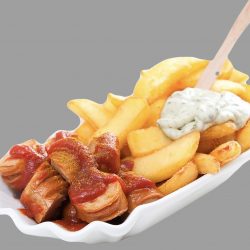
“Many associate Sweden with the king of the forest, the moose,” states the pavillon. Österlens Kött & Vilt Brösarp showcases how game is enjoyed today: with artisanal moose sausage and wild boar sausage. This delicacy is served appropriately with mustard from Petersborgs Gård, a farm that grows and produces its own mustard. Both companies also represent the culinary event “Matrundan Österlen.”
The perfect seasoning is provided by Österlenkryddor from Skåne, which cultivates spices in organic open-field farming and produces its own spice blends, distributed internationally—ideal for a homemade moose burger.
The Taste of Holidays: Roberts and the Cult Beverages
No Swedish Christmas is complete without “Julmust.” The story of this malt beer-like cult drink began in the early 20th century with Roberts. Robert Roberts and his son Harry developed the non-alcoholic alternative after years of experimentation in Berlin. Today, the company is a leading producer of extracts and flavors for the food industry.
Invitation to a Culinary Journey of Discovery
The Swedish pavilion at Green Week 2026 is more than a trade show presentation; it is a living museum of flavor evolution. It tells of centuries-old traditions continually reinvented through entrepreneurial courage and a love for craftsmanship. Visitors can expect a unique opportunity to taste Sweden’s culinary heritage and experience its most innovative present—a perfect contribution to the 100th anniversary of Green Week.
Visit the Swedish Pavilion at the International Green Week Berlin 2026 and experience how tradition and innovation create a unique taste.